What Are Outstanding Checks In Accounting

A check that was written moments, weeks, or even months ago is considered outstanding if it has not yet been cashed or deposited. We answer your questions about this financial term and what to do when managing an outstanding check. Outstanding checks are checks written by a company, but the checks income summary have not cleared the bank account. Unclaimed checks fall under the “escheatment process,” where you identify, report, and remit unclaimed property if it lies dormant for too long. Provided you maintain vigilance and embrace technology, you can handle outstanding checks with ease.
Managing Outstanding Checks in Financial Reporting
Deadlines are critical in the escheatment process; missing them can result in costly penalties. Eisen’s automated alerts and reminders keep you informed of upcoming due dates https://natura-travel.com/blog/bookkeeping/the-complete-guide-to-outsourced-accounting-2/ specific to each state’s requirements. Our system schedules tasks and notifications so you can focus on other priorities with the confidence that no deadline will be overlooked. With $0 minimum to open online and Low Cash Mode® to help avoid overdrafts.
- To avoid having outstanding checks, consider using electronic payment methods like direct deposit or automated clearing house (ACH) transfers whenever possible.
- Strong internal controls and clear communication among all parties are essential to mitigate these risks.
- Accounting professionals understand the importance of keeping an accurate and up-to-date record of outstanding checks.
- This automation aids in reducing human error and ensures a more efficient reconciliation process.
- Our Escheatment Hub automates key aspects of managing outstanding checks, ensuring effortless and reliable compliance.
Escheatment for Healthcare Organizations: A Practical Guide to Compliance
To effectively manage your finances, you should be aware of how many outstanding checks you have and keep track of them to avoid potential overdrafts. In the next section, we will discuss the implications and risks of having outstanding checks in detail. Unclaimed property is a significant responsibility for financial institutions, and a big part of that for banks includes managing outstanding checks.
Bank Reconciliation Impact
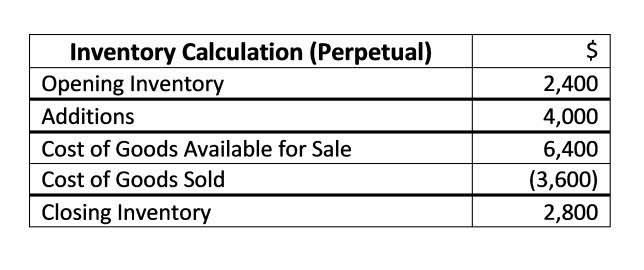
The consequences of an overdrawn account can include hefty fees, negative account balances, and the potential for damage to a business or personal reputation. If an outstanding check from the previous month did not clear the bank account in the current month, the check will remain on the list of outstanding checks. As a result, the bank reconciliation for the current month will again show the outstanding check amount as a subtraction from the bank statement balance. Outstanding checks are typically recorded in a company’s cash disbursement journal or check register. The check register includes details such as the check number, date of issuance, payee, and the amount of the check. By maintaining an organized and up-to-date check register, companies can easily identify outstanding checks and reconcile them with the bank statement.
- This is especially problematic for small businesses with tight margins that depend on accurate data to sustain operations.
- Additionally, payors must also consider potential contractual obligations related to outstanding checks.
- However, if your budget is handled appropriately and all checks are marked as pending, you’ll know not to spend that money.
- As a result, the payee could get charged their own overdraft fees if they were counting on that money and spent it.
- You are entirely dependent on when the vendor decides to cash the check.
In other words, it remains a liability for the issuer until it’s processed by the payee’s bank. In addition to timing differences, outstanding checks can also arise from errors, such as when a check is lost or misplaced before it can be deposited. Other reasons include delays in the mail system, clerical errors, or discrepancies between the company’s records and the bank’s records. Regardless of the reason, it is crucial to identify outstanding checks and take appropriate action to bring them to resolution.
Consider Alternative Payment Methods
Anytime you make this request, mark it in your accounting software or ledger as “canceled.” Doing so allows this money to be made available again. Businesses rely on precise cash flow projections for investments, expenses, and operational strategies. An uncashed check can distort these projections, causing businesses to misjudge their financial position. This is especially problematic for small businesses with tight margins that depend on accurate data to sustain operations. What happens if I write a check but the payee doesn’t cash it right away? outstanding checks have An outstanding check is one that has been written by someone, but not yet deposited or cashed by the recipient.
- Void checks require careful documentation and accounting adjustments to maintain accurate financial records.
- Our system automatically updates with the latest state regulations, ensuring you have the most current information at your fingertips.
- Financial institutions also face liabilities related to outstanding checks.
- Learn about outstanding checks in accounting and how they impact your finances.
- However, this doesn’t always solve the problem, as it costs a fee to the payor and is only valid for a limited time.
Example of an Outstanding Check in the Bank Reconciliation

Instead, electronic cash payment methods, such as Zelle®, take the money out of your account faster. By not trusting the payee to take action, you remove the possibility that they will forget or put off cashing or depositing the check. When the check reaches this expiration date, it is no longer valid, and the bank the check was written from may not honor the payment. Even if this policy isn’t written on the check, most banks have policies around check expiration. Ask the check’s originating bank if you’re unsure of how long you have to cash or deposit a check. Checks are simple financial tools that depend on both the payor and payee to take action to complete the payment.
Close Show Phản hồi gần đây